Maritime Logistics
Connecting the sea to the store shelf via advanced intermodal supply chains.
A port is only as effective as the landside logistics network that supports it. In Sydney, the journey of a shipping container does not end when the ship-to-shore crane places it on the tarmac at Port Botany; it is merely transitioning to the next phase of a highly integrated maritime logistics chain.
Intermodal Terminals (Inland Ports)
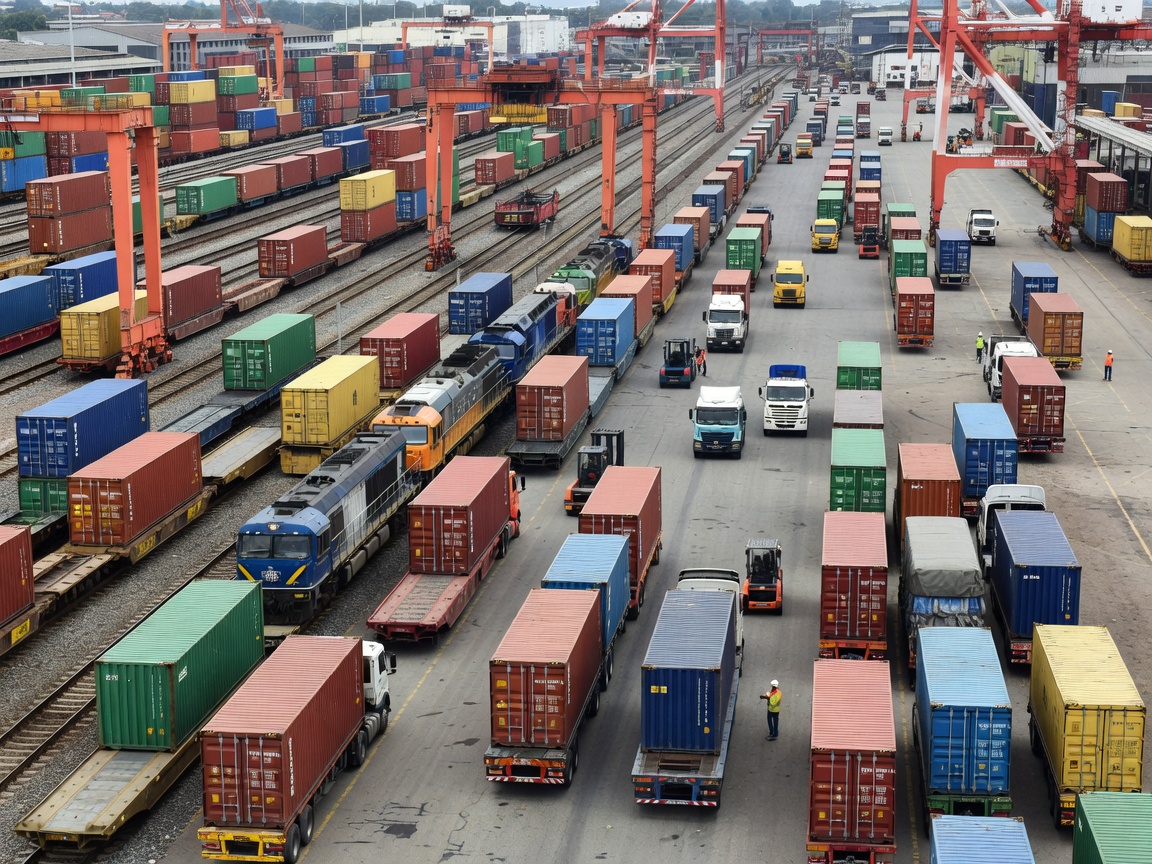
To relieve pressure on the coastal port precinct and reduce the number of heavy vehicles traversing Sydney's urban road network, the logistics industry relies on intermodal terminals—often referred to as inland ports. Major facilities located in Sydney's west and south-west, such as those at Enfield and Moorebank, serve as massive distribution hubs.
Containers are loaded directly onto dedicated freight trains at Port Botany and shuttled to these inland terminals. Once there, they are unpacked (devanned) into massive warehousing precincts or transferred to short-haul trucks for final delivery to retail distribution centers. This rail-led approach is essential for scaling capacity without paralyzing the city's traffic.
Data and Automation in the Supply Chain
Modern maritime logistics is fundamentally a data-driven enterprise. Importers, exporters, customs brokers, and transport operators rely on sophisticated Port Community Systems (PCS). These digital platforms track a container's journey in real-time, aligning the arrival of a vessel with the scheduling of a train or truck slot.
At the port level, optical character recognition (OCR) systems scan container numbers as they move through gates, while automated stacking cranes manage yard inventory with mathematical precision, ensuring the right box is easily accessible when the corresponding truck arrives.
Challenges in the Last Mile
Despite the efficiency of deep-sea shipping and rail shuttles, the "last mile" of delivery remains a complex and expensive logistical hurdle. Navigating the regulatory landscape of heavy vehicle access, managing driver shortages, and addressing the rising costs of industrial real estate near urban centers are ongoing challenges for logistics providers aiming to maintain reliable and cost-effective supply chains.