Glebe Island & White Bay
The industrial backbone of the inner harbour supplying the city's construction needs.
Positioned just west of the iconic Sydney Harbour Bridge, the Glebe Island and White Bay precinct represents one of the last remaining deep-water working port areas in central Sydney. While much of the city's foreshore has been gentrified into residential and commercial spaces, this precinct remains a fiercely protected industrial asset vital to the functioning of the metropolis.
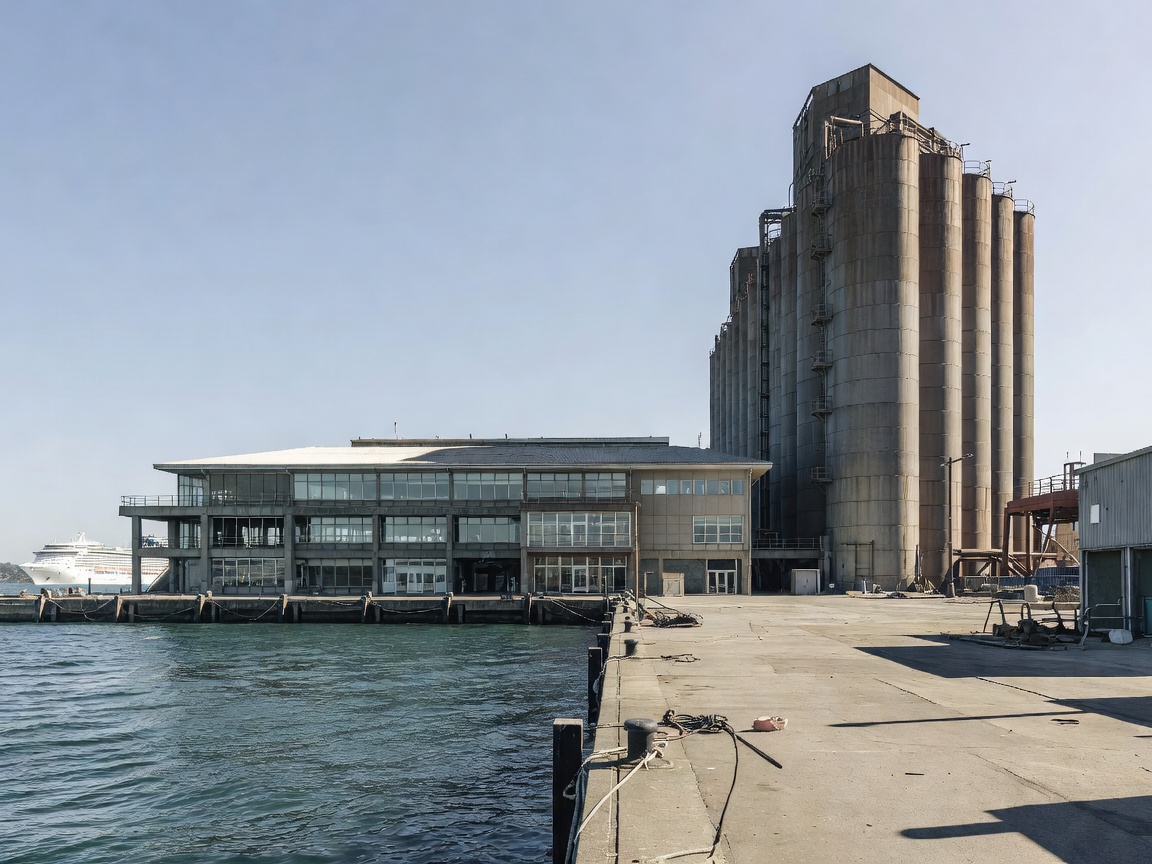
Dry Bulk and Construction Materials
Sydney's relentless growth and infrastructure boom rely heavily on materials imported through Glebe Island. It is the primary entry point for bulk construction materials, notably cement, sugar, and gypsum. The towering silos visible from the Anzac Bridge are not historical relics; they are highly active storage facilities.
Bringing these heavy, high-volume materials via sea directly into the city center is incredibly efficient. If these port facilities were relocated outside the Sydney basin, thousands of additional heavy truck movements would be required daily on the city's already congested road network to transport these necessary raw materials into the CBD and surrounding suburbs.
The White Bay Cruise Terminal
Adjacent to the industrial operations sits the modern White Bay Cruise Terminal. Opened to replace the facilities at Barangaroo, White Bay caters primarily to cruise ships that are small enough to sail beneath the Sydney Harbour Bridge. The terminal features a striking, award-winning architectural design that pays homage to the site's maritime heritage.
This separation of cruise operations—sending the mega-ships to Circular Quay and the mid-sized vessels to White Bay—allows Sydney to maximize its capacity as a premier cruise destination, though it does require logistical coordination for passengers connecting to the CBD from the somewhat isolated White Bay site.
Coexistence and Urban Planning
The ongoing challenge for Glebe Island and White Bay is coexistence. The precinct borders densely populated residential suburbs like Balmain and Pyrmont. The port authority must constantly manage the acoustic and environmental impacts of 24/7 port operations, utilizing strict noise guidelines, ship-to-shore power planning, and careful traffic management to ensure the working port can thrive without degrading the amenity of neighboring communities.